Michael Meehan : The Headstone That Spoke To Me

Every cemetery has one headstone that speaks to me more deeply than the others.
It is never the largest monument or the most elaborate carving. Sometimes it is a simple weathered stone, standing quietly among hundreds of others. Yet for reasons that are hard to explain, one name always seems to reach out across time and stay with me long after I leave.
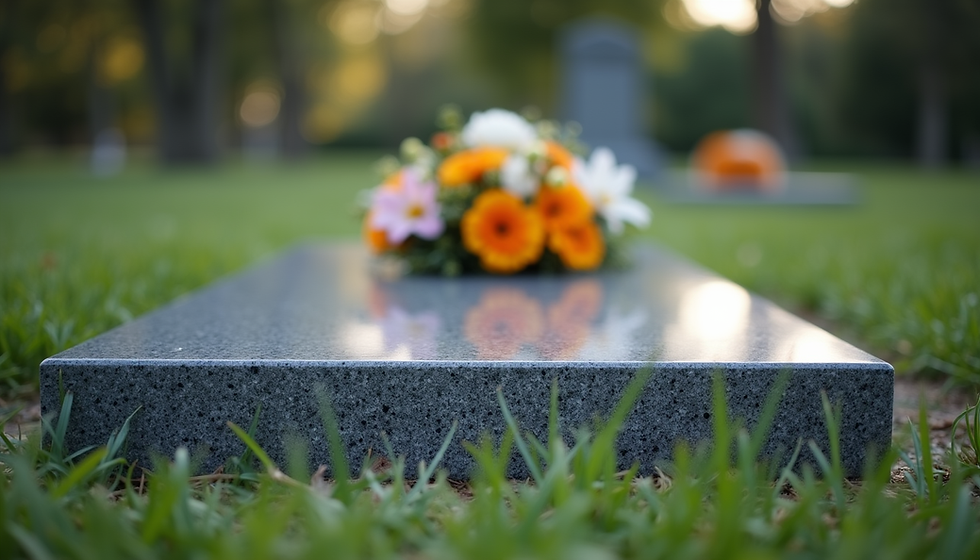
At St. Peter’s Celestine Cemetery on Indian Hill Road near Pakenham, Ontario, that stone is Michael Meehan’s.

Perhaps it is because he died so young. Perhaps it is because he left behind seven children. Or perhaps it is because his story reflects the lives of so many forgotten Irish Catholic pioneers whose entire existence was devoted to family, faith, and survival.
When I stand near his grave, I do not just see dates carved into stone. I see a man who worked hard every day of his life, a husband who tried to provide for his family, and a father whose children likely stood beside his grave in grief in the spring of 1877.
Though history records very little about him, Michael Meehan’s life still carries a quiet weight nearly 150 years later.
The Life of Michael Meehan
Michael Meehan was born around 1835, during one of the most difficult eras in Irish history. Whether he himself was born in Ireland or shortly after his family arrived in Canada, his life was shaped by the experience of Irish Catholic immigration during the mid-1800s.
Families like the Meehans came to Canada searching for opportunity and stability after generations of hardship overseas. Many Irish settlers arrived with very little except their faith, their willingness to work, and the hope of building a better future for their children.
Life in rural Ontario demanded everything from them.
The land had to be cleared by hand. Homes had to be built from rough timber. Winters were harsh and unforgiving. Illness was common. And every member of the family carried responsibility.
Michael grew into adulthood in this world of physical labour and constant perseverance.
Marriage to Ellen Elenor Lunney
On July 18, 1864, Michael married Ellen Elenor Lunney.
Together they began building a family and a life rooted in the Irish Catholic traditions that connected so many pioneer families throughout Lanark County.
Michael and Ellen would go on to have seven children together.
Seven children in the 1800s meant a household full of both love and hardship. There would have been long days, sleepless nights, and endless work simply to survive. Michael’s responsibilities as a father would have been enormous.
Every day depended on his ability to provide food, shelter, firewood, and security for the family.
There were no easy days for men like Michael Meehan.
He likely spent his life farming, cutting timber, hauling supplies, repairing buildings, and doing whatever work was necessary to support his wife and children. In communities like his, men were not remembered for wealth or status. They were remembered for reliability, faith, and dedication to family.
And by all evidence, Michael Meehan was exactly that kind of man.
A Father Before Anything Else
When I think about Michael Meehan, I do not think first about records or dates.
I think about the human moments.
I imagine him holding one of his children for the first time. Walking home after a long day of labour. Sitting quietly at the family table. Attending Mass beside Ellen and the children. Worrying about illness during harsh winters. Trying to build a future that would outlast him.
Genealogy often risks reducing people to names and timelines. But Michael Meehan was not just a record in a parish register.
He was a real person whose entire life revolved around the people he loved.
That is what makes his grave so powerful to me.
Michael’s Death in 1877
On May 27, 1877, Michael Meehan died at only about 42 years old, just seven short months after the birth of his last child.
The cause of death has been lost to history, as so many stories from that era have been. But his death would have changed everything for his family overnight.
Ellen was left widowed with seven children.
In rural Ontario during the 19th century, the death of a husband and father was devastating both emotionally and financially.
Families depended entirely on physical labour to survive, and losing the primary provider could place enormous strain on a household.
Yet despite the tragedy, the family endured.
Ellen would live another thirty-one years, passing away on June 22, 1908.
Her strength in raising seven children after Michael’s death speaks to the resilience of pioneer women whose sacrifices are so often forgotten by history.
Why His Story Matters
There are many grand monuments in old cemeteries. There are politicians, clergy, wealthy families, and community leaders remembered in stone.
But often it is the ordinary graves that carry the deepest stories.
Michael Meehan never became famous. He likely never imagined that anyone generations later would stop to think about his life.
Yet here we are.
His story matters because it represents thousands of immigrant fathers who sacrificed everything for their families. Men whose names slowly faded from records but whose descendants continue because of their perseverance.
Every time I visit St. Peter’s Celestine Cemetery, I find myself drawn back to Michael Meehan’s grave.
Not because of the stone itself.
But because behind that simple marker was a man who lived, struggled, loved, worked, and left a legacy that still survives today.
And in many ways, that is what cemetery history is truly about — remembering the ordinary people who quietly built the world we inherited.
While we preserve written words and photos and praise for our "archives", we need to look at our cemeteries the exact same way, because one day it could be someone writing a post about you.

Comments